

Francesca Romana Ammaturo on International Day of Persons with Disabilities
- Francesca Romana Ammaturo
- Dec 3, 2025
- 2 min read

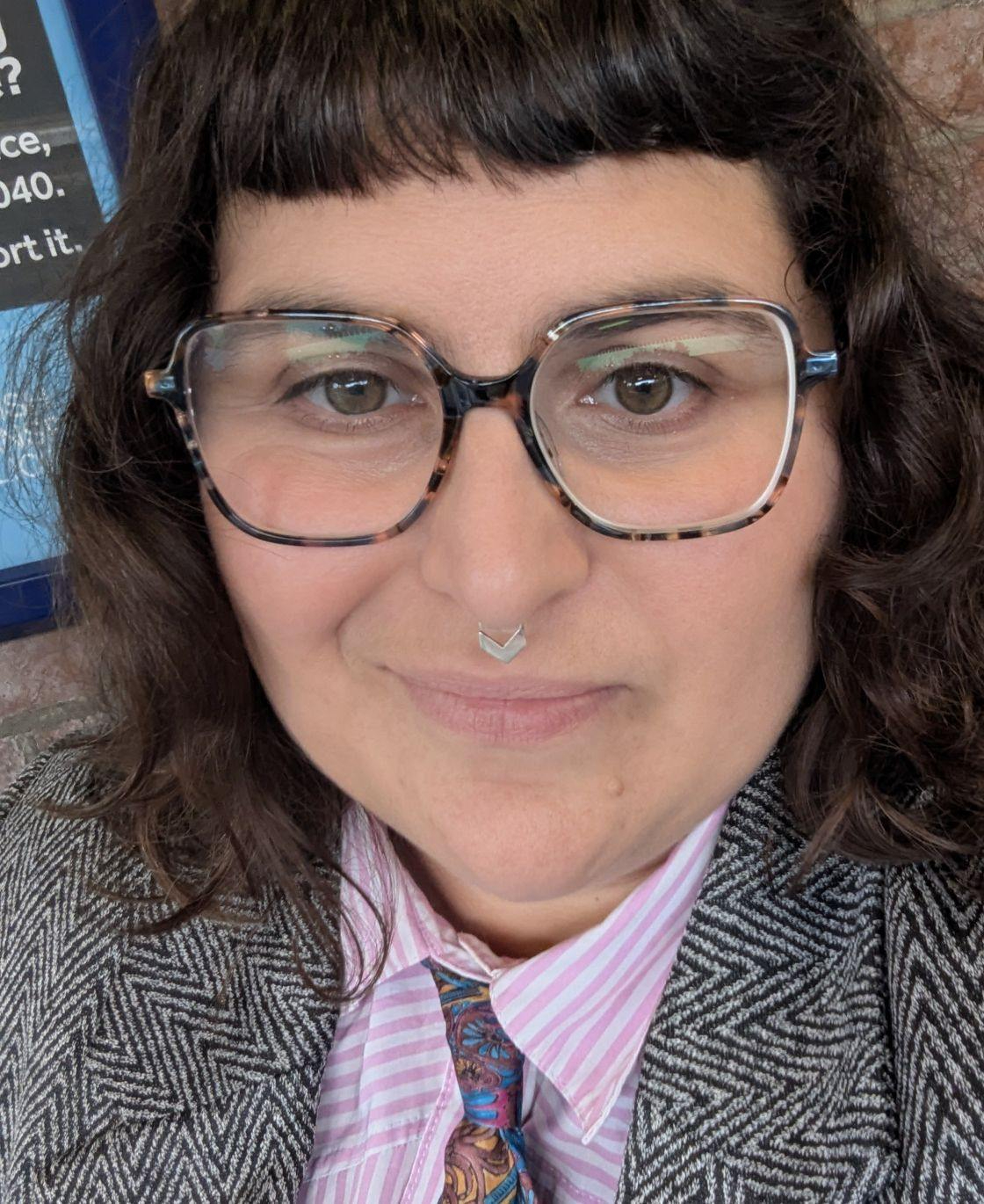
Francesca Romana Ammaturo is a queer and disabled Senior Lecturer in Sociology and International Relations at London Metropolitan University. Her research explores Pride Events at a global level with a focus on discourses of modernity, human rights, and social justice.
As part of a collaboration between mental health charity Mental Health Matters and LGBTQ+ disability empowerment charity ParaPride for International Day of Persons with Disabilities, we are sharing the lived experiences of disabled people who have faced mental health challenges.
We sat down with Francesca and asked three questions:
What does International Day of Persons with Disability mean to you?
The International Day of Persons with Disability is a moment of empowerment and joy for me as a disabled person. It means centring visibility and recognising the incredible diversity of our community. It is a chance to reclaim our existence and renew our demand for social, political, and economic rights.
What can we learn from the resilience of disabled communities that prioritise mental health and wellbeing?
Disabled communities are subjected to many different types of external pressures that come from ableist societies and structures. I am always impressed by the creativity of disabled people, especially when navigating difficult times, undoing stereotypes, and using humour and knowledge to counter the isolation and harm caused by ignorance, neglect, and discrimination. Community building and resource sharing are powerful antidotes to isolation and stigma. I felt empowered when I could speak to other disabled people about my experiences or when I saw my disability, Erb's palsy, represented in a children's book. Making community is a form of collective care that challenges the idea of ableist worthiness and helps us feel less alone.
Can you share any practical tips to navigate resilience and support better mental health?
My tip for navigating resilience and improving mental health is to be selective about engaging with negative or stereotypical voices about disability. These messages, especially on social media, can leave us infuriated, powerless, or pessimistic. Building nurturing environments with friends and loved ones who share a vision for disability justice can help us feel grounded, connected, and better able to respond to these challenges.


Comments